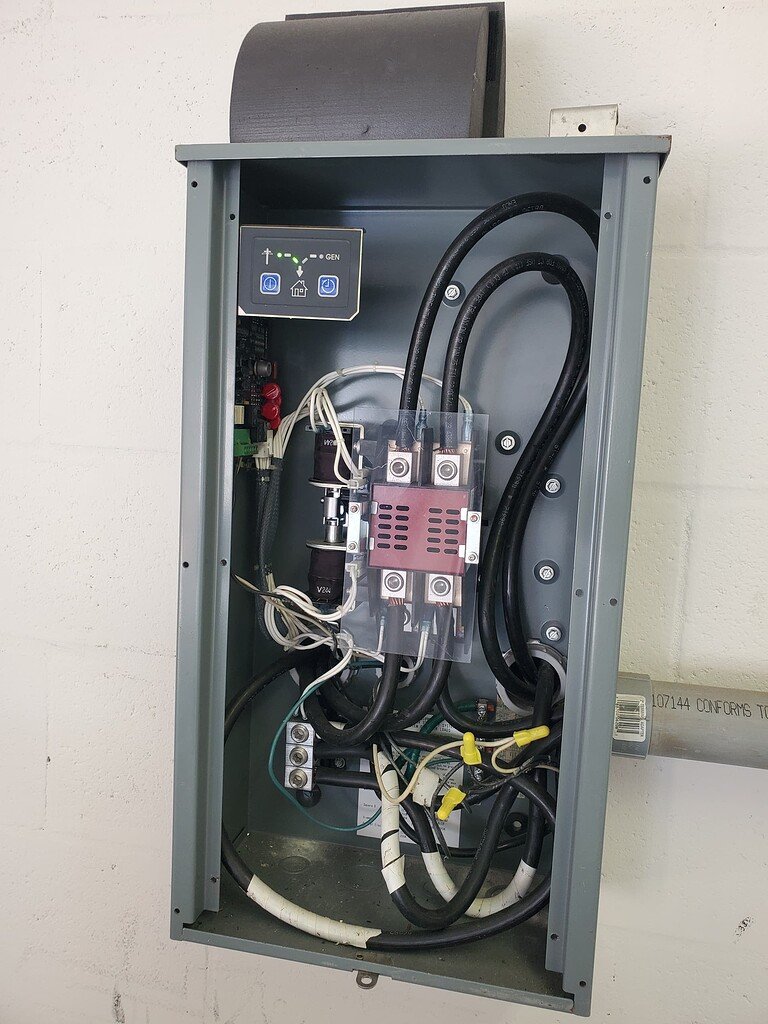
When the power goes out, your home can feel disconnected and vulnerable. While a portable generator offers a vital lifeline, simply plugging it into an outlet isn't just inefficient—it's incredibly dangerous. That's where choosing the right generator transfer switch kit becomes not just a convenience, but a critical safety and functionality decision. This guide will walk you through everything you need to know to select a kit that powers your home safely and effectively, keeping your lights on and your family comfortable during an outage.
At a Glance: Your Quick Guide to Transfer Switch Kits
- Safety First: A transfer switch prevents dangerous "backfeeding" of electricity into the grid, protecting utility workers and your appliances.
- Match Your Generator: Ensure the switch's amperage, wattage, and outlet type are compatible with your generator's output.
- Circuit Count Matters: Determine how many essential circuits (lights, fridge, furnace, well pump) you need to power.
- Consider 240V: High-demand appliances like well pumps or central AC often require 240-volt circuits.
- Indoor or Outdoor: Choose a kit with an appropriate NEMA rating (e.g., NEMA 3R for outdoor protection).
- Monitoring is Key: Digital or mechanical watt meters help you manage your generator's load and prevent overloading.
- Professional Installation: Always consult a qualified electrician to ensure safe, code-compliant setup.
The Unsung Hero: Why a Transfer Switch Isn't Optional
Imagine your power flickers off. You haul out your trusty generator, fire it up, and... then what? Without a transfer switch, you're looking at a tangle of extension cords or, worse, the perilous act of "backfeeding" power directly into your home's electrical panel via a dryer outlet or similar. This is not only illegal in most places, but it's an extreme hazard that can electrocute utility workers and damage your home's electrical system.
A generator transfer switch kit provides a dedicated, safe, and legal pathway to connect your generator to your home's electrical panel. It essentially acts as a gatekeeper, ensuring that your home receives power from either the utility grid or your generator, but never both simultaneously. This critical double-throw mechanism isolates your home from the grid when on generator power, preventing the dangerous backfeed. If you're looking to dive deeper into the mechanics, you can always explore understanding generator transfer switch kits in more detail.
Decoding Transfer Switch Kits: Your Core Options
Transfer switch kits come in various configurations, designed to meet different power needs, generator sizes, and installation preferences. Let's break down some common types and what they're best suited for, drawing from reliable market offerings.
1. Essential Power for Smaller Homes & Basic Needs
If your goal is to keep the absolute essentials running – a few lights, your refrigerator, perhaps a small furnace fan – more compact and economical kits are ideal.
- Reliance Controls Pro/Tran (30-amp, 6-circuit): This is a popular choice for straightforward emergency power. Supporting up to 7500 watts, it's designed for economical installation. It typically includes the necessary cords and components to connect to standard generator outlets. Think of it as your go-to for keeping perishable food cold and some basic lighting during shorter outages. Its compact design is a big plus for homes with limited space.
- Nature’s Generator Kit (30A, 6-circuit): While often associated with specific Nature's Generator brand products, a 30A, 6-circuit kit like this offers a complete indoor solution. It generally comes with all mounting options and components for a quick setup, ensuring consistent performance for essential 120V circuits.
2. Stepping Up to Serious Power: Larger Homes & Critical Appliances
When you need to power more than just the basics—think well pumps, central heating, or even some smaller air conditioning units—you'll need a kit with higher amperage and more circuits, especially those capable of handling 240V.
- 50-amp, 10-circuit Kits (e.g., Connecticut Electric Series 2): These kits are built for significant power demands, typically supporting generators up to 12,500 watts. The key here is the 240-volt circuit switching, which is crucial for heavy-duty appliances. They usually come with a robust, weather-resistant 50-amp power inlet box and a heavy-gauge connecting cord, often 25 feet, making them suitable for larger homes with greater backup power needs.
- 50A, 12-circuit Kits: Expanding on the 10-circuit option, these provide even more flexibility, handling up to 12 circuits at 50 amps. They support both 120V and 240V configurations, often utilizing a CS6375 inlet for high-amperage generator connections. Their durable steel construction signals readiness for robust indoor or outdoor installation.
- EmerGen Kit (Connecticut Electric): This kit is a versatile option, supporting up to 30 amps with a NEMA L14-30 receptacle and offering four 2-pole 240-volt circuits that are often configurable. Its NEMA 3R rainproof design means it's rated for both indoor and outdoor use, providing flexibility for installations where weather exposure is a factor.
3. Smart Monitoring & Enhanced Durability
Beyond just switching power, some kits integrate features that help you manage your generator's load more effectively and offer superior protection from the elements.
- 30-amp, 6-circuit with Digital Meter: This type of kit adds a layer of sophistication. It features a 4-in-1 digital energy meter (voltmeter, ammeter, power meter, watt-hour), allowing you to precisely monitor your power consumption and prevent overloading your generator. Its IP67 waterproof and NEMA 3R rated galvanized steel construction makes it exceptionally durable for both indoor and outdoor installation, often coming pre-wired for simplified setup.
- 50-amp, 10-circuit with Mechanical Watt Meter: For those who prefer analog feedback, this robust kit handles up to 10 circuits at 120/240V and includes a mechanical watt meter for real-time load monitoring. Its galvanized steel construction ensures corrosion resistance and durability in any environment. A locking safety key is a common, valuable feature, enhancing operational safety by preventing accidental switching.
- VEVOR Manual Transfer Kit (30-amp, 10-circuit): Offering a good balance, this kit typically includes a NEMA L14-30P power inlet box and features double-throw operation for safety. The built-in mechanical watt meter helps with load management, and its NEMA 3R weatherproof enclosure means it's ready for indoor or outdoor installation. A lockable design is often incorporated, adding an extra layer of security and controlled access.
Your Blueprint for Selection: Key Purchase Considerations
Choosing the right transfer switch isn't a one-size-fits-all decision. It involves carefully assessing your specific needs, your generator's capabilities, and your home's electrical setup. Here’s a detailed look at the crucial factors.
1. Generator Compatibility: The Power Match-Up
This is perhaps the most critical step. Your transfer switch must be compatible with your generator.
- Amperage (e.g., 30A, 50A): This tells you how much current the switch can safely handle. Your generator will have a main breaker with an amperage rating (e.g., 30A or 50A). Your transfer switch's amperage rating needs to match or exceed this. Installing a 30A switch with a 50A generator is a recipe for tripping breakers or, worse, damage.
- Circuit Count: How many circuits do you want to power? A 6-circuit switch is suitable for essentials, while 10 or 12 circuits allow for more comprehensive home backup. Make a list of everything you need to run during an outage.
- Wattage Support: Ensure the transfer switch's maximum wattage rating is equal to or greater than your generator's running wattage.
- Outlet Configuration (e.g., L14-30P, CS6375): Generators have specific outlet types. Common ones include the NEMA L14-30 (30-amp, 120/240V) or the CS6375 (50-amp, 120/240V). Your transfer switch's inlet box and connecting cord must have the corresponding plug/receptacle. A mismatch means you can't connect your generator without adapters, which is generally not recommended for sustained use.
2. Installation Environment: Built for the Elements
Where will your transfer switch and inlet box be located? This dictates the required weatherproofing.
- NEMA Ratings: For outdoor or exposed locations, look for kits with NEMA ratings like NEMA 3R. This rating signifies protection against falling dirt, rain, sleet, snow, and external ice formation. An indoor-rated switch won't survive long outside, potentially leading to hazards.
- Weatherproof Enclosures: Beyond NEMA ratings, consider the overall construction. Galvanized steel provides excellent corrosion resistance and durability, especially in humid or harsh environments.
3. Wiring & Installation: DIY or Pro-Ready?
Transfer switch kits vary in their installation complexity, impacting whether it's a job for a seasoned DIYer or strictly for a professional.
- Included Components: Does the kit come with all necessary cords, an inlet box, and mounting hardware? A "complete kit" saves you from hunting for additional parts.
- Pre-wired vs. Modular: Some designs are pre-wired, simplifying the indoor connections. Others are more modular, requiring an electrician to wire individual circuits from your main panel to the transfer switch. Pre-wired options can be quicker to install but might offer less flexibility in circuit selection.
- Cord Length: Consider the distance between your generator's ideal placement and your transfer switch inlet box. A 25-foot cord is common, but you may need longer or shorter depending on your setup.
4. Safety Features: Your First Priority
Safety is non-negotiable. A good transfer switch kit is engineered with multiple safety mechanisms.
- Double-Throw Switches: This is fundamental. It ensures that your home is physically disconnected from the utility grid before connecting to the generator, preventing hazardous backfeed.
- Locking Keys/Mechanisms: These features prevent accidental operation, ensuring the switch remains in the desired position (utility or generator) until intentionally changed.
- Proper Grounding: A safe electrical system requires proper grounding. Ensure the kit facilitates this connection.
- Mechanical/Digital Watt Meters: While not directly safety features in terms of preventing backfeed, these are crucial for operational safety. They help you monitor the load on your generator, preventing overloading, which can damage the generator and potentially the connected appliances.
5. Future-Proofing Your Power: Grow with Your Needs
Thinking ahead can save you money and hassle down the line.
- Anticipate Expansion: If you might upgrade to a larger generator or want to power more circuits in the future, choosing a kit with slightly higher amperage or more available circuits than you currently need is a smart move. For example, if you're currently considering a 30A generator, but might get a 50A one in a few years, a 50A transfer switch might be a better long-term investment.
6. Load Distribution & 240V Support: Handling Heavy Hitters
Not all electricity is created equal. High-demand appliances need specific voltage.
- 240V Circuits: Many essential appliances, like well pumps, electric water heaters, central air conditioning units, or electric ranges, require 240 volts. Ensure your chosen kit provides dedicated 240V circuits or has the reconfiguration options to support them. A 120V-only transfer switch won't power these critical items.
- Balancing Loads: A good transfer switch allows for balancing the load across the generator's two 120V legs (which combine for 240V) to prevent one side from being overloaded.
7. Monitoring Features: Know Your Power
Understanding your power usage is key to efficient generator operation.
- Digital Displays: Kits with digital displays often provide multi-function readings:
- Voltmeter: Shows the voltage being produced.
- Ammeter: Displays the current (amps) being drawn.
- Power Meter (Watts): The most useful for load management, showing total power consumed.
- Watt-Hour Meter: Tracks cumulative energy consumption, useful for fuel planning.
- Mechanical Watt Meters: These provide a real-time analog display of the wattage being drawn, offering immediate visual feedback on your generator's load.
Monitoring helps you stay within your generator's capacity, prolong its life, and avoid unnecessary trips to reset overloaded breakers.
8. Installation Location: Where Will It Live?
Practical considerations for mounting and access are important for both safety and convenience.
- Available Space: Assess the wall space available for mounting the transfer switch panel, both inside and potentially outside for the inlet box.
- Cord Reach: Consider the maximum length of the connecting cord included or required. Your generator needs to be placed far enough from your home to prevent carbon monoxide poisoning, so the cord must be long enough to bridge that safe distance.
- Proximity to Generator: While generators need to be safely distanced from the home, the inlet box should be reasonably accessible for easy connection.
9. Code Compliance: The Non-Negotiable Step
This is perhaps the most important administrative step.
- Local Electrical Codes: Electrical codes vary by jurisdiction. What's acceptable in one area might not be in another. Ensure the kit you choose meets or exceeds your local codes.
- Qualified Electrician: Always, always consult and hire a qualified, licensed electrician for the installation. They ensure that the installation is safe, code-compliant, and correctly wired, protecting your home and family. An improper installation can be deadly and will likely void your homeowner's insurance in case of an incident.
Common Questions & Smart Answers
Let's clear up some frequent queries that arise when considering a generator transfer switch kit.
Q: Can I just use extension cords from my generator into my home outlets?
A: You can, but it's highly inefficient and only suitable for very basic, temporary needs like running a single lamp or charging a phone. It's not a solution for powering essential home circuits. More importantly, it can lead to dangerous situations like overloading circuits, damaging appliances, and creating fire hazards, especially if using undersized cords or running multiple appliances.
Q: What's the main difference between a manual and an automatic transfer switch?
A: This guide focuses on manual transfer switches, which require you to physically flip a switch to change power sources. An automatic transfer switch (ATS) detects a power outage, signals the generator to start, and then automatically switches the power source. When utility power returns, it switches back and shuts down the generator. While more convenient, ATS systems are significantly more expensive and typically used with larger, permanently installed standby generators.
Q: Do I really need an electrician for installation? It looks straightforward.
A: Yes, absolutely. Installing a transfer switch involves working with your home's main electrical panel and high-voltage wiring. Mistakes can lead to serious injury, fire, or damage to your electrical system. A licensed electrician ensures the installation is safe, correctly wired, properly grounded, and compliant with all local electrical codes, which is crucial for safety and insurance purposes.
Q: What exactly do NEMA ratings mean, and why should I care?
A: NEMA (National Electrical Manufacturers Association) ratings classify electrical enclosures based on their ability to protect internal equipment from environmental conditions. For generator transfer switches, NEMA 3R is common for outdoor use, indicating protection against rain, sleet, snow, and external ice formation. If your inlet box or transfer switch will be exposed to the elements, choosing an appropriately rated enclosure is vital for its longevity and safe operation.
Making Your Final Decision: A Step-by-Step Approach
Choosing the right transfer switch kit might seem daunting with so many options, but by following a clear process, you can make an informed decision:
- Assess Your Needs: List every appliance and circuit you absolutely need to run during an outage. Prioritize them.
- Determine Your Power Requirements: Calculate the total wattage for your prioritized circuits. This will tell you the minimum generator size you need, which in turn informs your transfer switch's amperage and wattage capacity.
- Check Your Generator's Specs: Note its running wattage, surge wattage, amperage output (e.g., 30A or 50A), and outlet type (e.g., L14-30P, CS6375).
- Evaluate Installation Environment: Decide if your transfer switch and inlet box will be indoors or outdoors, and choose the appropriate NEMA rating.
- Consider Features: Do you want load monitoring? Mechanical or digital? Do you need 240V circuits for specific appliances?
- Budget: While cost is a factor, prioritize safety and functionality. A cheaper kit that doesn't meet your needs or isn't safe is no bargain.
- Consult an Electrician: Before making a final purchase, discuss your plans with a qualified electrician. They can verify your calculations, recommend suitable kits, and ensure your home's electrical panel can accommodate the installation.
Power On, Safely: Your Next Steps
Once you've made your decision and purchased your generator transfer switch kit, the most crucial step remains: professional installation. Do not attempt to install this critical piece of electrical equipment yourself unless you are a licensed electrician.
With your new transfer switch kit professionally installed, you'll gain peace of mind knowing that when the grid goes dark, you have a safe, reliable, and compliant way to bring power back to your home. You'll be protecting your appliances, your home, and most importantly, the lives of utility workers. Take the time to choose wisely, and you'll be ready for whatever the next outage brings.