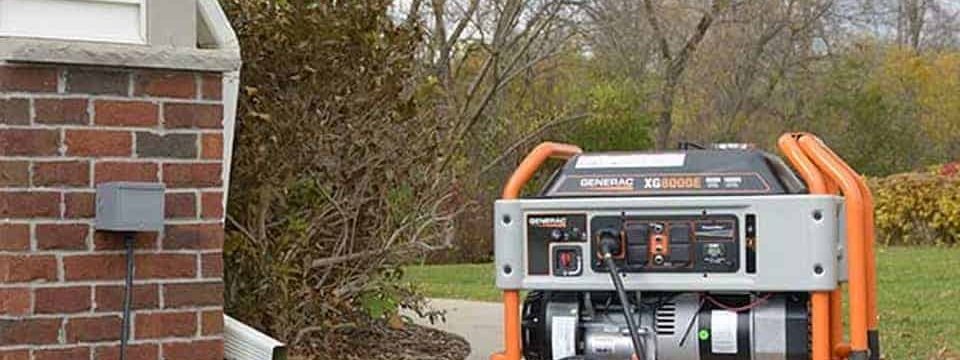
In the quiet moments after a storm, when your neighbors are plunged into darkness, you imagine the hum of your own generator bringing light and warmth back to your home. But connecting that life-saving power source isn't as simple as plugging it in. It requires a generator transfer switch, a crucial electrical component that ensures both safety and functionality. Understanding the Cost Analysis: Generator Transfer Switch Kits is the first step toward safeguarding your home and family.
This isn't just about convenience; it's about preventing dangerous backfeeding—a potentially lethal condition where your generator's power flows back into the utility grid, risking electrocution for unsuspecting linemen. A proper transfer switch makes the process seamless and secure.
At a Glance: Your Transfer Switch Investment
- Overall Range: Expect to pay between $400 and $2,500 for a complete transfer switch installation, including parts, labor, and necessary permits.
- Key Drivers: Amperage rating, compatibility with your existing electrical panel, and local permit requirements are the biggest cost factors.
- Manual vs. Automatic: Manual switches are generally more affordable ($400-$1,300 installed) and ideal for portable generators. Automatic switches, costing $600-$2,500 installed, offer hands-free operation for standby generators.
- Interlock Kits: A budget-friendly alternative at $400-$850 installed, suitable for smaller portable generators.
- Professional Installation is Key: DIY is dangerous and often illegal; always budget for a licensed electrician.
The Unseen Guardian: Why a Transfer Switch is Non-Negotiable
Imagine your home as a careful balance of electrical currents. When utility power goes out, introducing a generator without proper controls can disrupt that balance, creating serious hazards. A transfer switch acts as a secure gateway, allowing your generator to power select circuits or your entire home while completely isolating your electrical system from the utility grid. This prevents that deadly "backfeeding" we mentioned and protects your home's delicate electronics from power surges when utility service is restored.
Choosing the right method for connecting your generator to your home's electrical system is not merely a matter of convenience; it’s a critical safety decision. For homeowners exploring their options, it's wise to explore generator transfer switch kits thoroughly to understand the types and their specific safety features. Whether you opt for a manual, automatic, or an interlock kit, each solution is designed with your safety in mind, ensuring your generator power only flows where it's supposed to.
Breaking Down the Budget: What You'll Actually Pay
The cost of installing a generator transfer switch kit isn't a single, fixed number. It’s a mosaic of parts, labor, and local regulations. The national average typically falls between $400 and $2,500. This wide range accounts for different types of switches, varying labor complexities, and whether your home needs additional electrical work.
Let's dissect these numbers so you can approach your project with confidence and a clear understanding of where your money is going.
Cost By Type & Amperage: Navigating Your Options
Your choice of transfer switch largely dictates the upfront cost. Each type serves a different need, aligning with either portable or permanent standby generators and offering varying levels of automation.
Manual Transfer Switches (MTS): Hands-On Power
Manual transfer switches require you to physically flip a switch to transition power from the utility to your generator. They're a popular, cost-effective choice for homeowners using portable generators, particularly in areas with less frequent outages.
- Unit Cost: You can expect to pay anywhere from $200 to $800 for the switch unit itself, depending on its amperage and features.
- Total Installed Cost: With professional labor, the total installation typically ranges from $400 to $1,300.
- Best For: Portable generators, situations where you're comfortable operating the switch yourself, and a tighter budget. A common size, such as a 30-amp or 50-amp switch, is usually sufficient for powering essential circuits like your refrigerator, lights, and a few small appliances.
Automatic Transfer Switches (ATS): Seamless Transition
Automatic transfer switches are the pinnacle of convenience. They constantly monitor the utility power, and when an outage occurs, they automatically start your standby generator, transfer the load, and then shut down the generator and transfer power back to the utility once service is restored—all without you lifting a finger.
- Unit Cost: ATS units are more technologically advanced, with prices ranging from $400 to over $2,000, sometimes reaching much higher for very large commercial-grade units.
- Total Installed Cost: Due to their complexity and typically higher amperage, expect installed costs to be between $600 and $2,500. These units are generally 20-40% more expensive than their manual counterparts.
- Best For: Standby generators, homes in areas prone to frequent or prolonged outages, and homeowners who prioritize convenience and continuous power without manual intervention.
Understanding the fundamental differences between these options can significantly impact your budget. For a deeper dive into which might be best for your specific needs, it's worth reading more about manual vs. automatic transfer switches.
Generator Interlock Kits: The Affordable Alternative
An interlock kit isn't a transfer switch in the traditional sense, but it serves the same critical safety function: preventing backfeeding. It's a mechanical device installed in your main electrical panel that physically blocks the main breaker and the generator breaker from being on simultaneously.
- Kit Cost: The interlock kit itself is very affordable, typically $50 to $150.
- Total Installed Cost: Including labor, you're looking at $400 to $850 for a complete installation.
- Best For: Portable generators (especially 5,000 watts or more), smaller budgets, and homeowners with sufficient space in their existing electrical panel. It's a straightforward way to achieve safe generator connectivity.
Amperage Considerations Across Types:
The amperage rating of your chosen switch is a direct cost driver. Higher amperage switches (e.g., 200A vs. 30A) are more expensive, simply because they are designed to handle more electrical load. - 30-60A Switches: Total installed costs range from $600 to $1,600, or roughly $15–$25 per amp. These are common for portable generators connecting to a standard single-family panel for essential circuits.
- 100-200A Switches: Total costs generally fall between $1,000–$3,000. These often involve more complex panel work or even service upgrades to accommodate a larger standby generator that powers more of your home. The switch's amperage should always match either your main electrical panel's capacity or your generator's output, whichever is lower, to ensure safe operation.
The Hidden Variables: Factors That Drive Up (or Down) Your Bill
Beyond the type and amperage of the switch, several other factors can significantly influence the final price tag for your generator transfer switch installation. Being aware of these helps you avoid surprises.
Your Existing Electrical Panel's Health
This is one of the most unpredictable cost factors.
- Compatibility: Does your current electrical panel have enough physical space for the new transfer switch components and circuits? Is it up to current electrical codes? If not, you could face additional expenses.
- Service Upgrade: If your panel is outdated, undersized, or not compliant with current safety standards, an electrician might recommend a full service upgrade. This can add $850 to $2,500 to your project, as it involves replacing the entire main electrical panel and potentially upgrading the incoming utility service.
- Subpanel Installation: A less drastic alternative might be installing a subpanel, which costs $500 to $1,700. This dedicated panel would house your generator circuits, relieving pressure on an overloaded main panel without replacing it entirely.
The Price of Expertise: Labor Costs
Installing a transfer switch is a job for a licensed professional. Electricians typically charge $50 to $150 per hour, with some also having a call-out fee around $75.
- Installation Time: A straightforward installation usually takes 2 to 6 hours.
- Labor Costs: For a basic setup, expect labor to run between $200 and $500.
- Complexity: If the installation involves running new conduit, extensive wiring, or mounting the switch in a hard-to-reach location, labor hours (and thus costs) will increase.
Permits & Paperwork
Don't skip this step! Most jurisdictions require an electrical permit and inspection for any changes to your home's electrical system, including transfer switch installation.
- Permit Fees: These can range from $50 to $350, varying significantly by municipality.
- Importance: Permits ensure the work meets local safety codes and is inspected by a qualified official, protecting your home's value and your family's safety. A reputable electrician will always handle the permitting process for you.
Extra Bits & Pieces
Sometimes, additional components are necessary or highly recommended for a complete setup.
- Power Inlet Box: If you're using a portable generator, an exterior power inlet box is essential for safely connecting your generator's power cord to the transfer switch. These typically cost $20 to $100.
- Heavy-Duty Power Cord: A specialized, heavy-duty cord connects your generator to the inlet box. Depending on length and amperage, these can cost $30 to $350. While not always required (e.g., for direct-wired standby generators), they're crucial for portable setups.
Installation Complexity
Every home is different, and some installations are simply more involved than others.
- Conduit Routing: If the path from your generator's desired location to your electrical panel requires extensive conduit routing through walls, attics, or underground, labor time and material costs will increase.
- External Enclosures: If your generator backup location is exposed to the elements, an external weatherproof enclosure for the transfer switch might be needed, adding to material costs.
Where You Live Matters
Regional differences in labor rates, cost of living, and local permitting processes mean that the cost of installing a transfer switch can vary significantly. For instance, installations in the Northeast or on the West Coast often command higher prices than in the Midwest or Southern states. Always get local quotes to understand the prevailing rates in your area.
Making Smart Choices: How to Save Money Without Cutting Corners
Investing in a generator transfer switch is an investment in safety and peace of mind. While it's tempting to cut costs, compromise on safety is never an option. Here's how to be smart with your budget without jeopardizing your home or family.
- Assess Your Needs Honestly: Do you truly need to power your entire home with an automatic switch, or would a manual switch powering essential circuits suffice? If you have a portable generator and don't experience frequent or prolonged outages, a 30-60A manual transfer switch or an interlock kit is usually the most economical option, significantly reducing both parts and labor costs.
- Avoid Unnecessary Service Upgrades: If your existing panel is generally sound, work with your electrician to see if an interlock kit or a smaller subpanel can meet your needs without requiring a costly full panel replacement.
- Shop Around for Quotes: This is crucial. Obtain at least three itemized quotes from licensed electricians. A detailed quote should break down parts, labor, and permit fees. Inquire if they offer fixed-price scopes for standard installations. This allows for clear comparison and negotiation.
- Consider Off-Peak Season Installation: Electricians may have more availability and potentially less demand during certain times of the year (e.g., late spring or early fall, outside of storm season), which could offer more competitive pricing.
- Confirm Warranties in Writing: A good warranty on both parts and labor protects your investment. Ensure this is clearly stated in your contract.
When considering options for safely connecting your portable generator, it's also helpful to familiarize yourself with generator safety tips that extend beyond the transfer switch, ensuring overall safe operation.
Installation: What to Expect and Critical Safety Rules
Once you've selected your transfer switch and hired your electrician, the installation process typically unfolds over a few hours. Understanding what happens and, crucially, adhering to strict safety protocols is paramount.
The Installation Process
A professional installation usually takes 2 to 4 hours for a standard setup. Here's a general overview:
- Mounting the Power Inlet Box: For portable generators, an exterior weatherproof power inlet box is mounted on the outside of your home, typically near where your generator will be located.
- Installing the Transfer Switch Panel: The interior transfer switch panel is installed, usually next to or below your main electrical panel.
- Wiring Selected Circuits: The electrician will carefully disconnect the chosen circuits (e.g., refrigerator, furnace, specific outlets) from your main panel and re-route them through the transfer switch.
- Connecting to Main Panel: The transfer switch is then wired to your main electrical panel and, for standby generators, directly to the generator itself. For portable generators, the inlet box is wired to the transfer switch.
- Testing and Inspection: Once wired, the system is thoroughly tested, and then inspected by local authorities to ensure compliance with all electrical codes.
Crucial Generator Placement and Safety
Where you place your generator is as important as how it's connected. Carbon monoxide (CO) poisoning is a silent killer, and generators produce deadly CO fumes.
- Outdoor Use ONLY: Always operate generators outdoors in an open area, at least 5-15 feet away from doors, windows, and vents to prevent fumes from entering your home or a neighbor's.
- Exhaust Direction: Ensure the exhaust is pointed away from any occupied buildings.
- Distance for Efficiency & Noise: While the transfer switch handles the electrical connection, your generator itself should ideally be placed 60–70 feet from the transfer switch for optimal efficiency and noise reduction.
- Transfer Switch Necessity: Any portable generator of 5,000 watts or more should be connected to your home's electrical system via a transfer switch or interlock device. Connecting a generator directly into a wall outlet (backfeeding) is incredibly dangerous, illegal in most areas, and poses severe risks of fire, electrocution, and damage to your home and the utility grid.
- Interlock Kit Tip: If using an interlock kit, always turn off all non-essential circuits on your main panel before engaging the generator breaker. This prevents overloading your portable generator, as most cannot simultaneously support all circuits in a typical home.
Knowing your generator's capabilities and matching them with a suitable connection method is crucial. If you're still deciding on the right generator for your home, consider reviewing how to choose the right generator to complement your transfer switch.
Hiring the Right Pro: Your Electrician Checklist
Working with live electrical systems is inherently dangerous and requires specialized knowledge. While some online forums might suggest DIY, experts and local codes overwhelmingly discourage it for transfer switch installations. Always hire a licensed, bonded, and insured electrician.
Here’s your checklist for finding the right professional:
- Gather Your Information First: Before calling for estimates, know your generator's type (portable or standby), its wattage/amperage, and have details about your home's main electrical panel (age, amperage rating, any known issues). This helps electricians provide more accurate quotes.
- Get Multiple In-Person Estimates: Don't settle for the first quote. Obtain at least three in-person estimates. A reputable electrician will want to see your existing electrical panel, the proposed generator location, and discuss your power needs before providing a bid.
- Verify Credentials: Hire only a licensed, bonded, and insured electrical company with a proven track record. Ask for proof of licensure and insurance. Check online reviews and references.
- Scrutinize the Quote: Ensure you receive a detailed, itemized contract in writing before any work begins. It should clearly outline parts, labor, permit fees, and any warranties.
- Don't Just Pick the Cheapest: The lowest bid isn't always the best value. Extremely low quotes can be a red flag, potentially indicating corner-cutting, lack of proper insurance, or hidden fees. Prioritize quality, safety, and expertise.
- Payment Plan, Not Upfront: A reputable contractor will not demand the full payment upfront. Establish a reasonable payment schedule (e.g., deposit, progress payments, final payment upon completion and inspection).
- Confirm Permit Handling: Ensure the electrician explicitly states they will handle all required permits and schedule the necessary inspections with your local municipality. This is critical for safety and compliance.
Navigating home electrical projects can be daunting, but choosing the right professional simplifies the process. If you need more guidance on vetting contractors, explore how to hire an electrician for comprehensive tips. Additionally, if your existing electrical panel is nearing its capacity or age limit, you might want to look into electrical panel upgrade costs as a proactive measure, which could impact your transfer switch project.
Taking the Next Step: Powering Your Home Safely
The decision to install a generator transfer switch is a smart one, fundamentally enhancing your home's safety and your family's comfort during power outages. While the initial Cost Analysis: Generator Transfer Switch Kits might seem broad, breaking down the components and factors involved reveals a clear path to an informed choice.
Remember, the goal isn't just to get power; it's to get safe power. Prioritize professional installation, understand the type of switch best suited for your generator and lifestyle, and don't hesitate to ask your electrician every question that comes to mind. With careful planning and the right professional, you'll be well-prepared to face the next power outage with confidence, knowing your home is connected securely and efficiently.