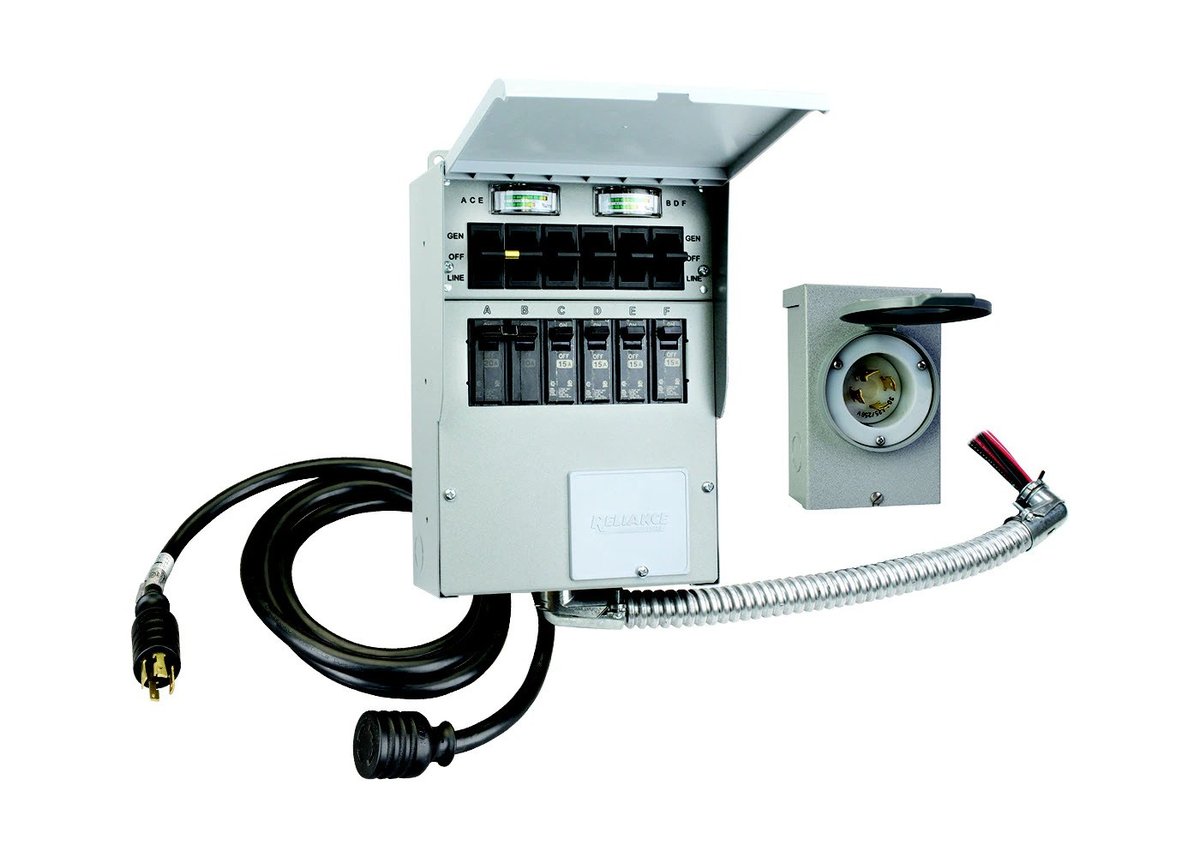
When the lights go out, a generator can be a lifesaver. But connecting that generator to your home’s electrical system shouldn’t involve a tangle of extension cords or, worse, dangerous backfeeding into the utility grid. That's where Generator Transfer Switch Kits come in. They're the unsung heroes of seamless emergency power, providing a safe, reliable bridge between your home and your generator. In this comprehensive guide, we'll dive deep into generator transfer switch kits, offering product reviews and comparisons to help you make the best, most informed decision for your home.
Think of a transfer switch as your home's electrical traffic cop, directing power flow. During an outage, it safely disconnects your home from the utility grid and connects it to your generator, ensuring power flows only where it's supposed to. This isn't just about convenience; it's about crucial safety and code compliance.
At a Glance: What You Need to Know
- Safety First: Transfer switches eliminate dangerous "backfeeding" into the utility grid and the need for hazardous extension cords.
- Three Main Types: Manual (budget-friendly, hands-on), Automatic (seamless, higher cost), and Portable (flexible for temporary use).
- Key Decision Factors: Consider your power needs (wattage), generator compatibility, how many circuits you need to power, and essential safety features.
- Professional Installation Recommended: While DIY is possible for some, a licensed electrician ensures safety, code compliance, and optimal performance.
- Cost vs. Convenience: Manual kits are affordable (typically $200-$400); automatic kits offer seamless operation but cost more ($500-$2,000+).
Why You Absolutely Need a Transfer Switch Kit for Your Generator
A generator sitting in your garage is just a noisy paperweight during an outage if you can't connect it safely and effectively. This is where a transfer switch becomes non-negotiable.
First and foremost, it's about safety. Connecting a generator directly to your home's main panel without a transfer switch can lead to a phenomenon known as "backfeeding." This sends electricity from your generator out onto the utility lines, posing a deadly risk to utility workers who might be trying to restore power. A properly installed transfer switch physically isolates your home from the grid, preventing this danger entirely.
Beyond safety, consider convenience and appliance protection. Say goodbye to running multiple extension cords through windows and doors, creating tripping hazards and energy leaks. A transfer switch provides a single, clean connection point, powering essential circuits directly. It also helps protect your valuable appliances from potential overloads or surges that can occur during an unexpected power transition, ensuring a stable power supply from your generator.
Finally, code compliance is a big one. Local electrical codes almost universally require a transfer switch for any generator intended to provide backup power to a home's electrical system. Ignoring this can lead to fines, insurance issues, and, most importantly, unsafe conditions.
Decoding the Types of Transfer Switch Kits
Transfer switches aren't one-size-fits-all. Understanding the different types is your first step toward choosing the right kit for your needs.
Manual Transfer Switch Kits: The Hands-On Approach
Manual transfer switches are the most straightforward and often the most budget-friendly option. When the power goes out, you'll need to physically go to the switch, flip a lever or throw a switch to disconnect from utility power, then start your generator, and finally, flip another switch to connect your home to generator power.
Pros:
- Affordable: Generally the least expensive type.
- Simple Design: Easy to understand and operate once installed.
- Reliable: Fewer complex components mean less to go wrong.
- Control: You decide exactly when to engage generator power.
Cons: - Manual Intervention Required: You must be home and physically operate the switch during an outage.
- Interruption: There's a brief power interruption as you switch sources.
- Not Ideal for Continuous Operation: Less convenient for businesses or those who cannot afford even a short power lapse.
Manual transfer switches are excellent for homeowners on a budget, those with smaller essential loads, or individuals who don't mind the manual process during an outage. They pair well with portable generators for occasional backup.
Automatic Transfer Switch (ATS) Kits: The Seamless Solution
Automatic transfer switches are the "set it and forget it" option. When utility power fails, the ATS detects the outage, signals your generator to start (if it's a standby model), waits for it to come up to speed, and then automatically switches your home's power source from the utility to the generator. When utility power returns, it reverses the process, switching back and shutting down the generator.
Pros:
- Convenience: Fully automatic operation means you don't have to lift a finger.
- Seamless Power: Minimal power interruption, often just seconds.
- Peace of Mind: Ensures power even if you're not home.
- Ideal for Standby Generators: Designed to work perfectly with whole-house standby generator systems.
Cons: - Higher Cost: Significantly more expensive upfront than manual switches.
- Complex Installation: Often requires more intricate wiring and professional expertise.
- Generator Compatibility: Usually designed for permanent standby generators, less common for portable units.
If you value convenience, require continuous power for medical equipment, or want your home protected even when you're away, an ATS is generally worth the higher upfront investment. For many, the peace of mind offered by these units makes them a clear winner, especially when paired with a reliable standby generator. They are perfect for homes or businesses where uninterrupted power is critical.
Portable Generator Transfer Switch Kits: Flexible Power On The Go
While often falling under the "manual" category, dedicated portable generator transfer switch kits deserve a special mention. These kits are specifically designed to work with portable generators, offering a safe and convenient way to connect your portable unit to your home's electrical panel. They typically feature an outdoor power inlet box that plugs into your portable generator, with a cable running to a manual transfer switch located inside near your main electrical panel.
Pros:
- Flexibility: Use your portable generator for home backup, RV power, or outdoor events.
- Relatively Simple Setup: Easier to install than a whole-house ATS.
- Cost-Effective: A great way to get safe backup power without a massive investment.
Cons: - Manual Operation: Still requires you to start the generator and flip the switch.
- Limited Circuits: Often designed to power only a select number of essential circuits.
- Portable Generator Limitations: Reliant on the generator's fuel capacity and power output.
These kits are perfect for homeowners who already own a portable generator or prefer the flexibility of moving their power source. They bridge the gap between simple extension cord usage and a full whole-house standby system.
Choosing Your Champion: Key Factors for Selecting a Transfer Switch Kit
Picking the right transfer switch isn't a shot in the dark. It requires a bit of homework to ensure it perfectly matches your generator and home's electrical needs.
1. Power Requirements: How Much Juice Do You Need?
This is arguably the most critical factor. Start by listing all the essential appliances you want to power during an outage. Think refrigerator, lights, furnace fan, well pump, crucial medical devices, and perhaps a TV or computer. For each item, find its wattage (often listed on a label or in the owner's manual). If you only see volts (V) and amps (A), multiply them to get watts (Watts = Volts × Amps).
Pro Tip: Consider "starting watts" vs. "running watts." Appliances with motors (like refrigerators, well pumps, or central AC units) require a surge of power to start up, which can be 2-3 times their running wattage. Add up all the running watts, then add the highest starting wattage of any one motor-driven appliance you plan to start first. Choose a transfer switch (and generator) that can comfortably handle this total. Always size slightly higher than your calculated needs to provide a buffer.
2. Generator Type Compatibility & Amp Rating
Your transfer switch needs to be a good partner to your generator.
- Portable Generator Owners: Ensure the transfer switch's inlet box matches your generator's output receptacle (e.g., 30-amp, 50-amp).
- Standby Generator Owners: Automatic transfer switches are designed specifically for these, ensuring seamless communication and operation.
- Inverter Generators: Most transfer switches are compatible, but always double-check manufacturer specifications.
Crucially, the transfer switch's amp rating must be equal to or higher than your generator's main breaker rating. For example, a 30-amp generator needs at least a 30-amp transfer switch.
3. Circuit Needs: Powering What Matters Most
Do you need to power your entire house, or just a few critical circuits?
- 6-10 Circuit Manual Switches: Ideal for basic essential loads (refrigerator, furnace, a few lights, maybe a TV).
- Larger Manual Switches (10-16+ circuits): Offer more flexibility for slightly larger homes or more extensive essential loads.
- Whole-House Automatic Switches: Designed to power every circuit in your home, common with larger standby generators.
Think about which rooms or appliances are absolutely essential. Don't pay for more circuits than you truly need, but also don't skimp on those critical items. A good balance provides effective backup without overspending.
4. Safety Features: Don't Compromise
A transfer switch's primary job is safety. Look for these critical features:
- Double-Throw Mechanism: This is non-negotiable. It physically separates utility power from generator power, preventing dangerous backfeeding.
- Built-in Circuit Breakers: Many transfer switches include circuit breakers for the generator-powered circuits, offering an additional layer of overload protection for your home's wiring.
- Surge Suppression: Some higher-end models offer built-in surge protection, safeguarding your sensitive electronics.
- NEMA-Rated Enclosures: For outdoor installations (like an inlet box), ensure it has a NEMA rating suitable for outdoor use (e.g., NEMA 3R, 4X) to protect against weather.
5. Electrical System Compatibility: Understanding Your Home
Most residential homes in the US use a single-phase, 120/240-volt electrical system. Almost all residential transfer switches are designed for this. If you have a unique setup (e.g., three-phase for a larger business), you'll need a specialized switch. When in doubt, consult a licensed electrician who can assess your specific system.
6. Installation Requirements: DIY or Pro?
While some handy homeowners might tackle a manual transfer switch installation, professional installation by a licensed electrician is highly recommended for safety, optimal performance, and strict adherence to local electrical codes. Electricians understand complex wiring, load calculations, and grounding requirements, ensuring everything is installed correctly and safely. Factor professional installation costs into your overall budget – it's an investment in safety and peace of mind.
7. User Reviews: Real-World Insights
Once you've narrowed down your choices based on technical specifications, dive into user reviews. What do real customers say about reliability, ease of use (especially for manual switches), quality of materials, and customer support? Look for patterns in feedback, both positive and negative, to get a well-rounded perspective. Just remember that installation quality can heavily influence user experience, so differentiate between product issues and installation issues.
Understanding the Investment: Costs and Value
The cost of a generator transfer switch kit can vary significantly, reflecting its type, capacity, and features.
- Basic Manual Transfer Switch Kits: These typically range from $200 to $400. This price point usually covers a smaller, essential-circuit switch that’s perfect for homeowners using a portable generator for modest backup needs.
- More Advanced Manual Kits / Portable Generator Kits: For those needing more circuits or a robust outdoor inlet box, costs can climb to $400 to $800.
- Automatic Transfer Switch (ATS) Kits: The price jump here is notable, generally starting around $500 for smaller units and escalating to $2,000 or more for large, whole-house models designed for substantial standby generators.
Is an Automatic Transfer Switch worth the higher price? For many, absolutely. The convenience of seamless, hands-free operation, especially if you're not home during an outage or rely on continuous power for sensitive equipment, often outweighs the added cost. Manual kits are undeniably a cost-effective choice for smaller setups and those who prefer a more hands-on approach. The right choice truly depends on your budget, your specific power needs, and your tolerance for manual intervention.
Remember, these prices are for the kit itself. Installation costs will be separate and can range from several hundred to over a thousand dollars, depending on the complexity, your existing electrical panel, and local labor rates. Always get multiple quotes from licensed electricians. To learn more about selecting the right system for your specific needs, check out our complete generator transfer switch kit guide.
Practical Applications: Powering Your Life
Transfer switches aren't just for power outages. They provide versatility for a range of power needs.
Keeping Your Home Running Smoothly
This is the most common use. During a storm or grid failure, a transfer switch lets you power your refrigerator, freezer, well pump, furnace, lights, and other essential household appliances. This prevents spoiled food, keeps your home comfortable, and maintains crucial communications. Imagine the peace of mind knowing your home remains largely functional even when the neighborhood is dark.
Mobile Power for RVs and Outdoor Events
While often direct-connected, many RV owners utilize similar transfer switch logic to safely alternate between shore power and an onboard generator. For outdoor events, a portable generator kit with an inlet box can power temporary structures or stalls without risky extension cord setups, providing a more stable and safer power delivery. This flexibility extends the utility of your generator beyond just home backup.
Ensuring Business Continuity for Small Businesses
For a small office, a home-based business, or even a local shop, an outage can mean lost revenue, data, or productivity. An automatic transfer switch paired with a standby generator can keep critical systems—like computers, servers, point-of-sale systems, and security systems—running without interruption, minimizing downtime and protecting essential operations. This capability is invaluable for maintaining customer service and operational integrity during unforeseen events.
Installation: A Job for the Pros (Mostly)
The installation of a generator transfer switch kit involves working with your home's main electrical panel and high-voltage wiring. This is not a task to be taken lightly.
DIY Potential (with extreme caution): Some homeowners with extensive electrical experience and a thorough understanding of local codes might attempt to install a manual transfer switch. This typically involves mounting the switch near the main panel, wiring it to specific circuits, and installing an outdoor power inlet box. You'll need specific tools, a multimeter, and a deep understanding of electrical safety. If you have any doubts, do not proceed.
Professional Installation (Highly Recommended): For most homeowners, hiring a licensed electrician is the smartest and safest choice. An electrician will:
- Ensure Code Compliance: They know local and national electrical codes (like NFPA 70 / National Electrical Code) inside and out, guaranteeing your installation meets all requirements.
- Proper Sizing and Wiring: They'll verify the switch is correctly sized for your generator and home's circuits, and ensure all wiring is done safely and correctly.
- Permitting and Inspection: They can handle necessary permits and arrange for inspections, which are often required for such electrical modifications.
- Safety First: They have the expertise and tools to work with high-voltage electricity safely, minimizing risks of shock, fire, or damage to your home's electrical system.
The peace of mind that comes with a professionally installed, code-compliant transfer switch is well worth the investment. It ensures your system works reliably and, most importantly, safely when you need it most.
Beyond Installation: Maintenance and Troubleshooting
Once your transfer switch is installed, a little attention goes a long way in ensuring its longevity and reliability.
Regular Maintenance Tips
- Annual Check-up: If you have an automatic transfer switch, include it in your annual generator service. Technicians will test its functionality, inspect wiring, and clean contacts.
- Manual Switch Test: Periodically (e.g., quarterly or before storm season), simulate an outage with your manual switch (if safe and practical) to ensure it operates smoothly.
- Visual Inspection: Look for any loose connections, frayed wires, or signs of corrosion, especially in outdoor inlet boxes. Keep the area around the switch clear of obstructions.
- Keep it Clean: Dust and debris can accumulate. Gently wipe down the enclosure, ensuring vents are clear.
Common Troubleshooting Scenarios
- Generator Starts but No Power to House (ATS): Check the ATS breaker. Ensure the generator is running at proper voltage and frequency. There might be a fault code on the generator itself.
- No Automatic Transfer (ATS): Confirm the utility power is indeed out. Check the ATS control panel for error messages. Ensure the generator is set to "auto" mode.
- Power Fluctuation: This is usually a generator issue rather than the transfer switch itself. Check generator fuel, oil, and output.
- Manual Switch Feels "Stuck": Never force it. Ensure the utility power is completely disconnected (main breaker off) before attempting to switch. If it's still stiff, consult an electrician.
Always remember safety first. If you're uncomfortable troubleshooting electrical issues, call a licensed electrician.
Making Your Decision: A Final Word
Choosing the right generator transfer switch kit is about balancing your needs, budget, and desired level of convenience. Whether you opt for the hands-on affordability of a manual switch or the seamless, worry-free operation of an automatic system, the fundamental goal remains the same: safe, reliable backup power for your home.
Take the time to assess your power requirements accurately, understand the differences between the kit types, and factor in the critical importance of professional installation. Investing in a quality transfer switch kit isn't just buying another piece of equipment; it's investing in your home's safety, comfort, and peace of mind during unpredictable times.