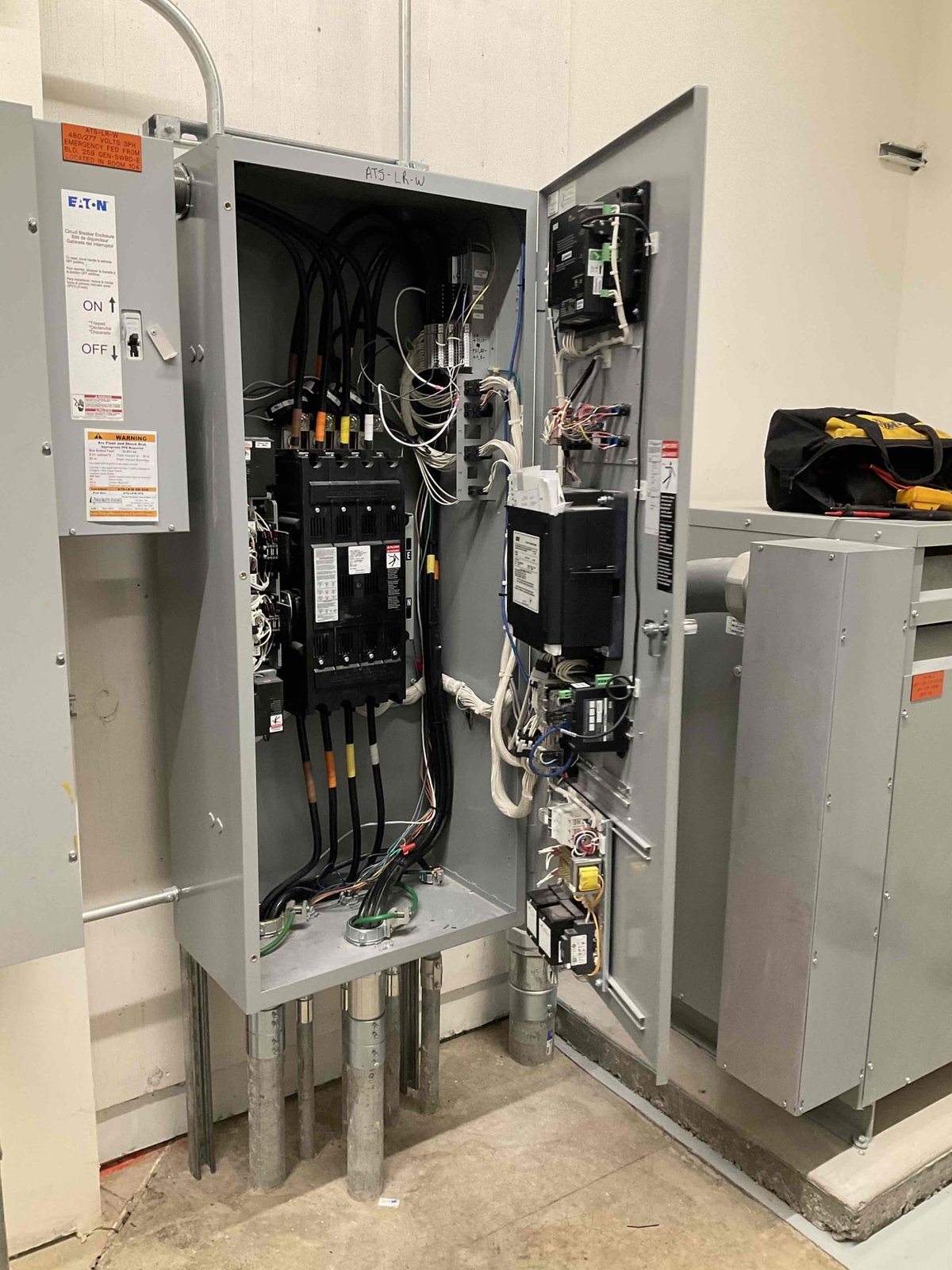
Imagine the lights flicker, then plunge your home into darkness. The hum of the refrigerator fades, and the digital clock on the oven goes blank. For many, this signals the frustrating end of modern convenience until the utility company restores power. But for homeowners equipped with a generator and, crucially, a generator transfer switch, that moment of dread quickly transforms into the reassuring rumble of backup power. Understanding generator transfer switches isn't just about convenience; it's about safety, compliance, and guaranteeing your home stays powered when the grid doesn't.
This isn't a luxury; it's an essential piece of equipment that serves as the command center for your backup power system, orchestrating a secure and efficient switch between utility and generator power. Without it, you’re not just risking a dim home, you're risking severe electrical hazards.
At a Glance: What You Need to Know About Generator Transfer Switches
- Essential Safety Device: Prevents dangerous "backfeeding" of generator power into the utility grid, protecting utility workers and your equipment.
- Seamless Power Transition: Automatically or manually switches your home's electrical load from utility power to generator power during an outage.
- Two Main Types:
- Manual Transfer Switches (MTS): Require human intervention to operate; more affordable, suitable for smaller needs.
- Automatic Transfer Switches (ATS): Detect power loss and switch automatically; offer ultimate convenience and peace of mind.
- Key Features: Include voltage/frequency sensing, startup delays for generators, and cooldown periods.
- Professional Installation is Key: Always hire a licensed electrician to ensure safety and code compliance.
- Boosts Efficiency & Reliability: Eliminates the need for manual cord swapping, ensuring critical appliances stay powered.
- Often Legally Required: Many local electrical codes mandate their use for permanent generator installations.
The Unseen Guardian: What Exactly is a Generator Transfer Switch?
Think of a generator transfer switch as the traffic controller for your home's electricity. Its job is simple yet critical: to manage which power source—your utility company or your backup generator—is supplying your home's electrical panel at any given time. This sophisticated device acts as an electrical firewall, ensuring that these two distinct power sources can never connect simultaneously.
At its core, a transfer switch is an electrical device designed to provide a safe and seamless transition of your home's power supply. When the primary utility grid fails, it allows your backup generator to take over, keeping your lights on and your essential appliances running. When the utility power is restored, it switches the load back, and your generator can then shut down.
The absolute most critical function of a transfer switch is preventing backfeeding. Backfeeding occurs when electricity from your generator flows back into the utility lines. This is incredibly dangerous for several reasons:
- Utility Worker Safety: Imagine a utility crew working to restore power, thinking the lines are dead, only for your generator to energize them. This can result in severe injury or electrocution.
- Equipment Damage: Backfeeding can damage your generator, your home's electrical system, and even utility equipment.
- Legal & Code Compliance: Preventing backfeeding isn't just a good idea; it's a legal requirement in almost every jurisdiction, enforced by strict electrical codes.
A transfer switch physically isolates your home from the utility grid before connecting to your generator, making backfeeding virtually impossible. It’s a non-negotiable component for any generator setup intended to power a home directly through its electrical panel.
Why You Can't Just "Plug In": The Critical Role of Transfer Switches
You might wonder why you can't simply plug your generator into a regular wall outlet or run extension cords throughout your house during an outage. The answer boils down to safety, efficiency, and legal mandates.
Safety First: Eliminating the Backfeeding Hazard
As mentioned, backfeeding is the primary danger. A generator transfer switch is engineered specifically to prevent this. It creates a definitive break between your home's electrical system and the grid, ensuring only one power source can ever be active at a time. This physical isolation is your strongest defense against electrical accidents involving your generator.
Streamlined Efficiency and Convenience
Without a transfer switch, managing backup power is a chaotic affair of extension cords and manual disconnections. This isn't just inconvenient; it's inefficient and limits what you can power. A transfer switch integrates your generator directly into your home's electrical panel, allowing it to power specific circuits (or your entire home, depending on its capacity and your setup) with minimal fuss.
When an outage strikes, instead of fumbling with cords in the dark, you simply engage the transfer switch (either manually or automatically). Your critical appliances—furnace, refrigerator, well pump, lights—come back online, maintaining a sense of normalcy without the usual hassle. This means less time spent worrying about power and more time focusing on what matters.
Legal Requirements and Code Compliance
Many local, state, and national electrical codes, such as the National Electrical Code (NEC), require the installation of a transfer switch for any generator intended to power a home directly through its wiring. These codes are not arbitrary; they are developed to ensure public safety. Installing a transfer switch correctly means your backup power system will pass inspection and comply with these critical regulations, saving you potential fines and, more importantly, keeping your household safe.
Manual vs. Automatic: Choosing Your Power Gatekeeper
When it comes to transfer switches, the most significant decision you'll face is between a manual and an automatic system. Each has its distinct advantages and is suited for different needs and budgets.
Manual Transfer Switches (MTS): Hands-On Control
A manual transfer switch requires human intervention to operate. When the utility power goes out, you'll need to physically go to the switch, flip a lever or switch, and then start your generator. When utility power returns, you reverse the process: shut off the generator, then flip the switch back to utility power.
How They Work:
- Utility Outage: You notice the power is out.
- Generator Preparation: You manually start your generator (often located outside).
- Switch Engagement: At the transfer switch panel, you physically move a switch or lever to disconnect from utility power and connect to generator power.
- Power Restoration: When grid power returns, you disconnect from the generator, shut it off, and reconnect to utility power.
Pros:
- More Affordable: Generally, manual transfer switches are less expensive to purchase and install.
- Simplicity: Their operation is straightforward, though it does require your presence and action.
- Reliable: With fewer complex electronic components, they can be very robust.
- Suitable for Specific Loads: Ideal for powering only essential circuits you select.
Cons: - Requires Presence: Someone must be home to operate the switch and start the generator.
- Inconvenience: It's a manual process, potentially involving going outside in inclement weather.
- Delay: There's a delay between the outage and power restoration due to manual steps.
Best For: Smaller homes, cabins, or situations where budget is a primary concern, and you're confident someone will always be available to operate the system during an outage. They are also suitable for powering a limited number of critical circuits rather than an entire home.
Automatic Transfer Switches (ATS): The Seamless Solution
An automatic transfer switch (ATS) is the pinnacle of convenience and reliability. It constantly monitors the utility power supply, and the moment it detects an outage, it automatically signals your generator to start, then seamlessly switches your home's electrical load to the generator. When utility power is restored, the ATS senses this, switches your home back to grid power, and signals the generator to shut down after a cool-down period.
How They Work:
- Utility Outage: The ATS's voltage and frequency sensing capabilities detect a loss of utility power.
- Generator Activation: After a brief delay (to confirm the outage isn't just a flicker), the ATS sends a signal to your generator to start.
- Power Transfer: Once the generator is running and stable, the ATS automatically switches your home's electrical load from the disconnected utility lines to the generator. This happens in seconds.
- Utility Restoration: The ATS detects that utility power has been restored.
- Re-Transfer & Cooldown: After another delay (to ensure utility power is stable), the ATS switches your home back to utility power, then signals the generator to run for a few minutes without load (cooldown) before shutting down.
Pros:
- Ultimate Convenience: Operates automatically, whether you're home or away. Perfect for vacation homes or critical systems.
- Instant Power: Minimizes downtime, keeping critical medical equipment, food, and security systems running.
- Enhanced Safety: Removes human error from the switching process.
- Generator Longevity: Manages generator startup and shutdown sequences optimally.
Cons: - Higher Cost: Both the unit and installation are significantly more expensive than manual options.
- More Complex: Involves more electronics, which can mean more potential points of failure, though modern ATS units are very reliable.
Best For: Homeowners seeking maximum convenience and uninterrupted power, those with critical medical equipment, or situations where extended outages are common. They are ideal for whole-home backup solutions.
Beyond the Basics: Key Features That Matter
Modern generator transfer switches are more than just simple on/off switches. They incorporate sophisticated features designed for safety, efficiency, and the longevity of your generator.
Uncompromising Safety Features
Every transfer switch, whether manual or automatic, is fundamentally designed to prevent backfeeding. This is achieved through a physical interlock or an electrical isolation mechanism that ensures a definitive break between the utility grid and your generator's output. This isolation is non-negotiable for safety.
Precision Voltage and Frequency Sensing
Automatic Transfer Switches (ATS) are equipped with intelligent sensing technology. They continuously monitor the incoming utility power for acceptable voltage and frequency ranges. If the power drops too low, spikes too high, or the frequency deviates from the standard 60 Hz, the ATS registers this as an outage and initiates the transfer sequence. This ensures your home only receives stable, reliable power from either source.
Smart Delay and Cooldown Features
These often-overlooked features are crucial for both your generator's health and your home's electrical stability:
- Startup Delay: When an outage occurs, the ATS doesn't immediately start the generator. There's a short delay (usually a few seconds) to confirm the outage is genuine and not just a momentary flicker. This prevents unnecessary generator startups and shutdowns. Once confirmed, it allows the generator to warm up and stabilize its voltage and frequency before accepting the home's electrical load, preventing surges and protecting appliances.
- Cooldown Period: When utility power is restored, the ATS switches your home back to the grid. However, it doesn't immediately shut down the generator. Instead, it allows the generator to run for a few minutes without a load. This "cooldown" period is vital for the generator's engine, helping it gradually dissipate heat and prolonging its lifespan by preventing thermal shock.
Service Entrance Rated Switches
Some transfer switches are "service entrance rated," meaning they can be installed directly at the point where utility power enters your home. These units often include a main circuit breaker, eliminating the need for a separate main service panel. This can simplify installation and sometimes save space, though it's a decision best made with a qualified electrician.
Decoding Your Needs: How to Choose the Right Transfer Switch
Selecting the correct transfer switch is a critical step in building a reliable backup power system. It’s not a one-size-fits-all solution; your choice depends on several factors specific to your home and your generator.
1. Power Requirements: How Much is Enough?
First, you need to determine exactly which appliances and circuits you want to power during an outage. Create a list of essential items: refrigerator, furnace, well pump, lights, medical equipment, etc. Note their wattage.
- Calculating Wattage: Look for the wattage rating on each appliance (often on a sticker or in the manual). Add up the running watts for all items you plan to operate simultaneously. Also, consider "starting watts" (the momentary surge an appliance like a refrigerator or well pump needs to kick on), which can be significantly higher than running watts.
- Generator Output: Your transfer switch must be rated to handle the full output of your generator. If you have a 10,000-watt generator, your transfer switch should be rated for at least that capacity (e.g., 50 amps at 240 volts). Overlooking this can lead to safety hazards and equipment damage.
- Managed vs. Whole Home: Do you need to power every circuit, or just select critical ones?
- Managed Load (Essential Circuits): A smaller, more affordable transfer switch can be wired to power only specific circuits you designate. This is common for smaller portable generators.
- Whole Home/Load Shedding: For larger standby generators, you might want a whole-home transfer switch. Some advanced ATS units include "load shedding" capabilities, which intelligently manage power distribution, temporarily shutting off non-essential circuits to prevent overloading the generator.
2. Generator Type and Size
The type and size of your generator directly impact the transfer switch you need.
- Portable Generators: Typically use manual transfer switches connected via a power inlet box. These are often rated for lower amperages (e.g., 30A or 50A).
- Standby (Whole House) Generators: Almost exclusively paired with automatic transfer switches due to their nature as permanent, hands-off backup solutions. These require higher amperage ratings (e.g., 100A, 200A, or more) to match the larger output of standby units.
- Fuel Type: While not directly affecting the switch, the generator's fuel type (natural gas, propane, diesel, gasoline) might influence its location and thus the wiring path to the transfer switch.
3. Manual or Automatic: Convenience vs. Cost
Revisit the comparison between manual and automatic transfer switches. Your budget, desired level of convenience, and whether you're consistently home during outages will guide this decision. For most permanent home installations, especially with larger standby generators, an ATS is the preferred choice for its hands-free operation and immediate response.
4. Installation Location and Environment
Consider where the transfer switch will be installed.
- Indoor vs. Outdoor: If installing outdoors, the switch must be housed in a weather-resistant enclosure (NEMA 3R or 4 rated) to protect it from rain, snow, and dust. Indoor installations (e.g., in a garage or utility room) might allow for a less robust (and often less expensive) enclosure.
- Proximity to Generator and Electrical Panel: The transfer switch should be installed in an accessible location, often near your main electrical panel, to minimize wiring runs and simplify installation.
When considering all these factors, remember that this is an investment in your home's safety and resilience. Don't cut corners. It’s wise to discuss your specific needs with a qualified electrician who can assess your home's electrical system and recommend the appropriate unit. You can Explore generator transfer switch kits that often bundle everything you need, tailored to different generator sizes and applications.
The Installation Imperative: Why Professional Expertise is Non-Negotiable
Installing a generator transfer switch isn't a DIY project. It involves intricate knowledge of electrical systems, adherence to strict safety protocols, and compliance with local and national electrical codes. Attempting to install it yourself without proper qualifications is incredibly dangerous and can lead to severe injury, electrocution, fire, or damage to your home and equipment.
The Role of a Licensed Electrician
A licensed electrician specializing in generator installations is your best and only option. Here's why:
- Safety First: They possess the training and experience to safely disconnect power, work with high-voltage wiring, and ensure all connections are secure and insulated.
- Code Compliance: Electricians are up-to-date on all local and national electrical codes (like the NEC). They ensure your installation meets these requirements, which is crucial for passing inspections and for insurance purposes.
- Proper Sizing and Wiring: They'll confirm your chosen transfer switch is correctly sized for your generator and home's electrical load, and that all wiring (gauge, type, conduit) is appropriate for the application.
- Warranty Preservation: Many generator and transfer switch manufacturers require professional installation for their warranties to remain valid.
- Peace of Mind: Knowing your system is installed correctly by a professional offers invaluable peace of mind that your backup power will work safely and reliably when you need it most.
A Glimpse at the Installation Process (for context, not instruction):
While you shouldn't do it yourself, understanding the general steps an electrician takes can be insightful:
- Site Assessment: The electrician evaluates your home's electrical panel, generator location, and desired transfer switch location.
- Permits: They'll often handle securing the necessary electrical permits from your local authority.
- Power Disconnection: The main utility power to your home is safely shut off at the meter.
- Mounting the Switch: The transfer switch panel is securely mounted, typically near your main electrical panel.
- Wiring Connections:
- Utility Side: Wires are run from your main electrical panel to the utility side of the transfer switch.
- Generator Side: Wires are run from the transfer switch to a dedicated power inlet box (for portable generators) or directly to the standby generator's connection point.
- Load Side: Wires from selected circuits in your main panel (or the entire panel for whole-home switches) are connected to the "load" side of the transfer switch.
- Control Wiring (for ATS): For automatic switches, additional control wires are run between the ATS and the standby generator to manage startup, shutdown, and sensing functions.
- Grounding: The entire system is properly grounded to prevent electrical shock.
- Testing: Once all connections are made and inspected, the electrician tests the system thoroughly to ensure it functions correctly under various scenarios, including simulating an outage.
- Inspection: A municipal inspector will typically review the installation to ensure it complies with all local codes.
Living with Your Transfer Switch: Operation and Maintenance for Longevity
Once your generator transfer switch is professionally installed, operating it is largely straightforward, especially with an automatic system. However, understanding its basic operation and performing routine maintenance are crucial for ensuring its continued reliability.
How it Operates (The Grand Choreography)
- Utility Power Present: The transfer switch is in its default position, connecting your home's electrical panel directly to the utility grid. Your generator is in standby mode.
- Power Outage:
- ATS: The automatic transfer switch continuously monitors utility power. When it detects an interruption (voltage/frequency outside limits), it waits a programmed delay (e.g., 5-10 seconds) to confirm the outage.
- MTS: You manually observe the power outage.
- Generator Activation:
- ATS: After the delay, the ATS sends a signal to your standby generator to start. The generator begins its startup sequence.
- MTS: You manually go to your portable generator and start it up.
- Power Transfer:
- ATS: Once the generator is running at stable voltage and frequency, the ATS physically disconnects your home from the utility lines and connects it to the generator. This happens very quickly, often within seconds.
- MTS: You go to the manual transfer switch and physically flip the main selector switch from "Utility" to "Generator."
- Home Powered by Generator: Your selected circuits or entire home now receive power from the generator.
- Utility Power Restored:
- ATS: The ATS detects the return of stable utility power. It waits another programmed delay (e.g., 30 seconds to 5 minutes) to ensure the utility power is stable and won't flicker again.
- MTS: You manually observe that utility power has returned.
- Re-Transfer to Utility:
- ATS: The ATS automatically switches your home back to the utility grid, disconnecting from the generator.
- MTS: You manually flip the selector switch back from "Generator" to "Utility."
- Generator Cooldown and Shutdown:
- ATS: The generator runs for a programmed "cooldown" period (e.g., 1-5 minutes) without load, then shuts down and returns to standby mode.
- MTS: You manually shut off your portable generator.
Essential Components of Your Transfer Switch
- Switch Mechanism: This is the core component—the actual electrical switch that physically moves between utility and generator connections. It's often an electromechanical device for ATS units or a heavy-duty manual lever for MTS units.
- Power Source Connections: These are the terminals where the utility lines and generator output cables connect.
- Load Connections: These are the terminals where your home's main electrical panel or specific circuit wires connect.
- Control Panel (for ATS): This is the brains of an ATS, housing the circuit board, sensors, timers, and often a display that shows system status, utility voltage, and generator activity. It allows for programming delays and other parameters.
- Enclosure: The protective casing that houses all the components, rated for indoor or outdoor use.
Routine Maintenance for Continued Reliability
While transfer switches are robust, a little proactive maintenance goes a long way to ensure they function flawlessly when needed.
- Annual Professional Check-up: Schedule an annual inspection by a licensed electrician, ideally at the same time as your generator's annual service. They will:
- Inspect Wiring and Connections: Check for any loose, corroded, or damaged wiring and terminals.
- Clean Components: Ensure no dust, dirt, or insect nests are impeding mechanical parts.
- Test Operation: Perform a simulated outage test to ensure the transfer switch operates correctly and the generator starts and transfers the load as expected.
- Check Sensors (for ATS): Verify that voltage and frequency sensors are accurate.
- Lubricate Moving Parts (if applicable): For some mechanical switches, light lubrication may be needed.
- Generator Exercise Program: Ensure your generator has a regular exercise schedule (most standby generators do this automatically). This not only keeps the generator in good health but also tests the full transfer system periodically.
- Keep Area Clear: Ensure the area around your transfer switch and generator is free of debris, flammable materials, and obstructions. Good ventilation is key.
- Documentation: Keep all manuals and service records handy for future reference.
Common Hurdles and How to Clear Them
Even with a well-designed system, specific challenges can arise with generator transfer switches. Knowing what to look for can help you address issues quickly and safely.
1. Compatibility Mismatches
One of the most frequent issues is ensuring the transfer switch is fully compatible with your generator.
- Voltage and Amperage: The transfer switch's voltage (e.g., 120/240V) and amperage rating (e.g., 30A, 50A, 200A) must match or exceed your generator's output. A mismatch can lead to overloading the switch, tripping breakers, or even causing damage.
- Phase: Most residential homes in North America use single-phase power. Ensure both your generator and transfer switch are single-phase compatible.
- Control Signals (for ATS): For automatic systems, the ATS needs to be able to communicate effectively with your generator (e.g., 2-wire start/stop signal). While most major brands are compatible, it's essential to confirm.
Solution: Always consult your generator's specifications and work with a qualified electrician who understands both your generator and the transfer switch requirements. They will ensure proper sizing and compatibility from the outset.
2. Neglected Maintenance Issues
As with any electrical component, a lack of regular maintenance can lead to performance degradation or outright failure.
- Corroded Connections: Over time, especially in outdoor or humid environments, electrical connections can corrode, leading to poor conductivity and overheating.
- Dust and Debris: Accumulation of dust, dirt, or even insect nests within the switch enclosure can impede moving parts or cause electrical shorts.
- Worn Components: Mechanical parts in the switch can wear out over years of operation.
Solution: Adhere to the annual professional inspection and maintenance schedule. A licensed electrician will clean, inspect, and test all components, replacing any worn parts before they cause a problem. Regularly ensure the area around the switch is clean and clear.
3. Installation Errors
Improper installation is arguably the most dangerous and common source of problems.
- Incorrect Wiring: Reversed polarity, loose connections, or incorrect wire sizing can lead to fire hazards, electrical shock, or damage to your appliances and generator.
- Improper Grounding: A correctly grounded system is paramount for safety. Faulty grounding can lead to electrical shock and system malfunctions.
- Code Violations: Installations that don't meet local and national electrical codes can be unsafe, fail inspections, and potentially void insurance policies.
Solution: This cannot be stressed enough: Always hire a licensed, qualified electrician for transfer switch installation. They have the expertise to avoid these critical errors, ensuring your system is safe, compliant, and reliable. Never attempt to install a transfer switch yourself unless you are a certified, licensed electrician.
Staying Safe: Best Practices for Using Your Transfer Switch
Safety should always be your top priority when dealing with any electrical system, especially one involving backup power. By following these best practices, you can ensure your generator transfer switch provides reliable, safe operation for years to come.
- Strictly Prevent Backfeeding: This is the transfer switch's primary job. Ensure your transfer switch is installed correctly and functioning. Never try to bypass it, and never attempt to power your home by plugging a generator directly into a wall outlet (known as a "suicide cord").
- Professional Installation is Non-Negotiable: As reiterated, always hire a licensed and qualified electrician for the installation of your transfer switch. They will ensure code compliance, proper sizing, and safe operation.
- Regular Maintenance and Testing: Treat your transfer switch as an integral part of your home's safety system. Schedule annual professional inspections and maintenance. Test your generator and transfer switch at least once a month (for ATS) or every few months (for MTS) by simulating an outage to ensure everything operates as expected.
- Practice Load Management: Even with a whole-home transfer switch, your generator has a finite capacity. Avoid overloading it. If you're using a smaller generator, be mindful of which appliances you run simultaneously. Prioritize essential loads and temporarily disconnect non-essential ones during an outage.
- Use Properly Rated Equipment: Ensure all your generator accessories, including extension cords, power inlet boxes, and the transfer switch itself, are appropriately rated for your generator's output and the electrical demands of your home.
- Generator Safety First: Remember that the transfer switch is one part of a larger system. Always operate your generator in a well-ventilated area, far from windows and doors, to prevent carbon monoxide poisoning. Keep fuel stored safely, and never refuel a hot generator.
- Know Your System: Understand how your specific transfer switch works. Familiarize yourself with its controls, indicators, and any error messages it might display. In a manual system, know the sequence of operations by heart.
- Educate Your Household: Ensure all responsible adults in your home understand how to safely operate the generator and transfer switch (if manual) and the importance of generator safety protocols.
FAQs: Quick Answers to Your Burning Questions
Can I install a generator transfer switch myself?
No. Unless you are a licensed electrician, you should absolutely not install a transfer switch yourself. It involves working with high voltage, complex wiring, and strict electrical codes. Improper installation is extremely dangerous and can lead to electrocution, fire, or severe damage.
What is the difference between a subpanel and a transfer switch?
A subpanel is an electrical panel that distributes power to a specific section of your home, drawing power from your main electrical panel. A transfer switch is a device that selects the power source for your home (utility or generator) and prevents backfeeding. While a transfer switch might integrate with a subpanel to power selected circuits, they serve different primary functions.
How long does it take for an automatic transfer switch to kick in?
Typically, an automatic transfer switch (ATS) will detect an outage, signal the generator to start, and transfer power to your home within 10-30 seconds. This includes a short delay to ensure the outage isn't just a momentary flicker and to allow the generator to warm up and stabilize.
Do I need a permit to install a transfer switch?
Yes, in most jurisdictions, you will need an electrical permit for the installation of a generator transfer switch. This ensures the work is inspected and meets local building and electrical codes. Your licensed electrician will typically handle the permit process.
Can a transfer switch be installed outdoors?
Yes, transfer switches can be installed outdoors, but they must be housed in a weather-resistant enclosure. Look for units with a NEMA 3R or NEMA 4 rating, which indicates protection against rain, snow, dust, and ice formation.
What happens if my generator runs out of fuel during an outage?
If your generator runs out of fuel while powering your home through an ATS, the ATS will detect the loss of generator power. When utility power is eventually restored, the ATS will automatically switch your home back to the grid. If utility power is not restored, your home will remain without power until the generator is refueled and restarted (and if automatic, the ATS can sense its output again).
How do I know what size transfer switch I need?
The size (amperage rating) of your transfer switch must match or exceed the maximum output of your generator. For example, a 20kW (20,000-watt) 240V generator typically requires an 80-amp transfer switch (20,000W / 240V = ~83A). Your electrician will help you determine the correct size based on your generator and home's electrical load.
The Bottom Line: Empowering Your Home with Reliable Backup
In an increasingly unpredictable world, the ability to maintain power during an outage is more than a convenience—it's often a necessity for comfort, safety, and peace of mind. Understanding generator transfer switches is the cornerstone of building a reliable backup power system for your home.
Whether you opt for the hands-on control of a manual switch or the seamless automation of an ATS, this critical device stands guard between your home and the grid, ensuring that power transitions safely and efficiently. By prioritizing professional installation, adhering to maintenance schedules, and understanding the core principles of operation, you're not just buying a piece of equipment; you're investing in your home's resilience and the uninterrupted flow of your daily life. Choose wisely, install safely, and enjoy the confidence of knowing your home is prepared for whatever comes its way.